Corbetti Geothermal

Ethiopia
Delivering green growth powered by the earth’s core
Sector
Power/Energy
Total PIDG Commitment
< USD 30.8m
Related SDG Goals
Project Overview
CompanyCorbetti Geothermal PLC
SectorPower / Energy
CountryEthiopia
PIDG Commitment
  • Equity < USD30m
  • Technical assistance USD 787,000
Dates of PIDG involvement
  • 2015 – present
Challenge

In 2019, the Ethiopian government issued an updated version of the National Electrification Program, aiming to achieve universal access to electricity by 2025. This will be provided through a dual strategy of grid expansion, and decentralised off-grid sources. This objective envisages 13.5GW of grid-connected generation capacity, including 840MW from developing the country’s geothermal sources. 

Solution

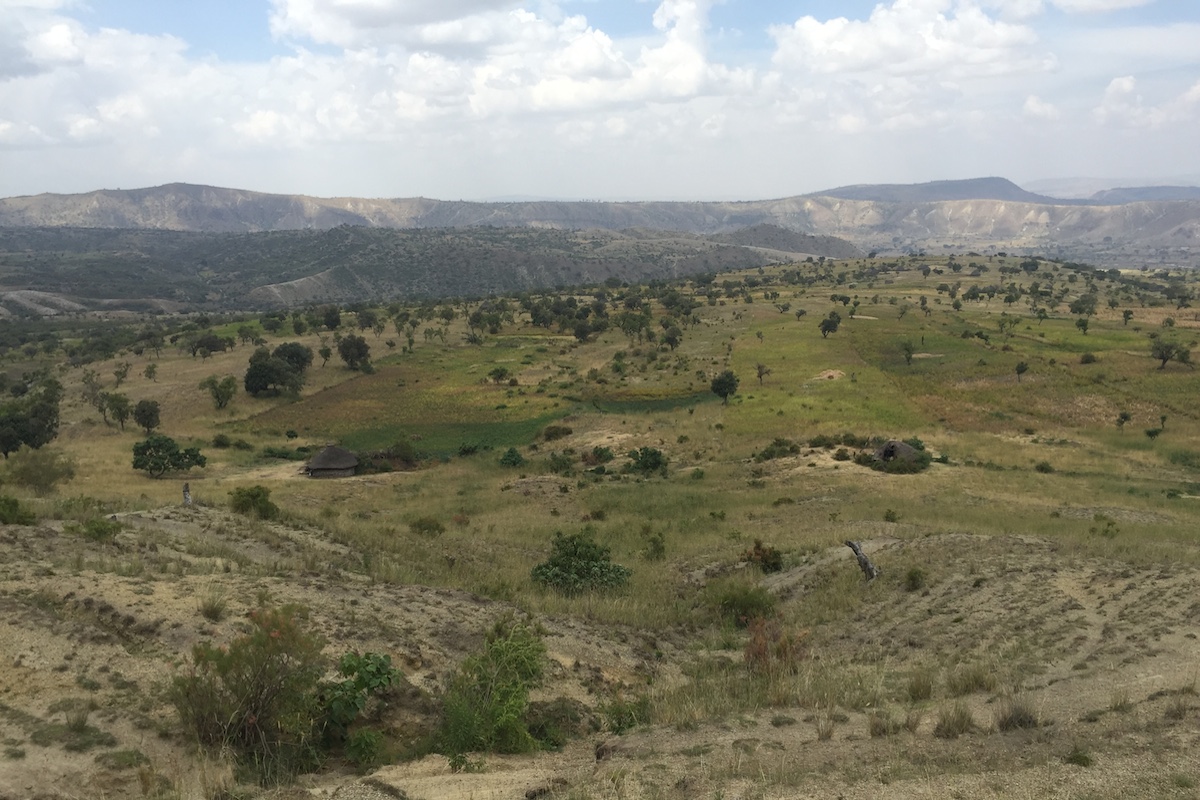
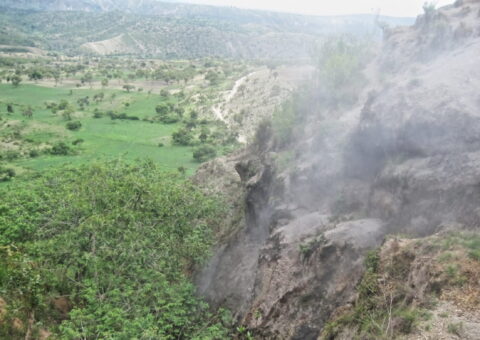
Located in the Corbetti Caldera, 250km south of Addis Ababa, the Corbetti Geothermal Power project (Corbetti) will harness a new geothermal resource to develop a power plant that remains the first independent energy project to be developed by a private company. Ethiopia is only the second country in sub-Saharan Africa to promote the large-scale development of privately owned geothermal energy.  

Corbetti will be developed in two phases over a six-year period. Once exploration drilling is complete, the first phase of development will consist of production wells and a steam field for a 50 MW power plant. The second phase will consist of additional geothermal wells and a steam field for a 100 MW power plant. 

 

Impact

Planet

Ethiopia is well-positioned to achieve carbon-neutral growth. Over 95 per cent of the country’s electricity comes from hydropower. However, hydropower generation is vulnerable to variations in rainfall patterns due to climate change. Geothermal has potential to deliver a new source of baseload, renewable energy to Ethiopia’s energy mix. 

People

The access roads built to date have significantly increased mobility in the area surrounding the project, helping local residents collect water, and get to the market. A new drilling water system will be installed as part of the project. If suitable sources are identified, the project plans to supply drinking water to local communities experiencing water stress.  


Wider economy

As part of wider government efforts, development of geothermal energy will allow the government to electrify transport infrastructure to reduce its reliance on imported fossil fuels and will generate a surplus of energy that can be exported through planned interconnections. Such exports will improved Ethiopia’s balance of payments by billions of dollars by 2030.   

Technical assistance

Technical assistance grants have supported activities such as drinking water feasibility studies, providing solar power for local health clinics, legal support to the government, and a feasibility study to partially replace diesel generators with solar generators during construction. In addition, PIDG provided a grant for a study into the potential uses for geothermal brine, including using the heat to support an agricultural industrial park. 

Project News

Sign up to our
newsletter

Abonnez-vous à notre newsletter
Terms*
* *champ obligatoire
Subscribe to our newsletter
Terms*
* indicates compulsory fields